The Ultimate Guide to Deep Cleaning Your Home: Step-by-Step Checklist
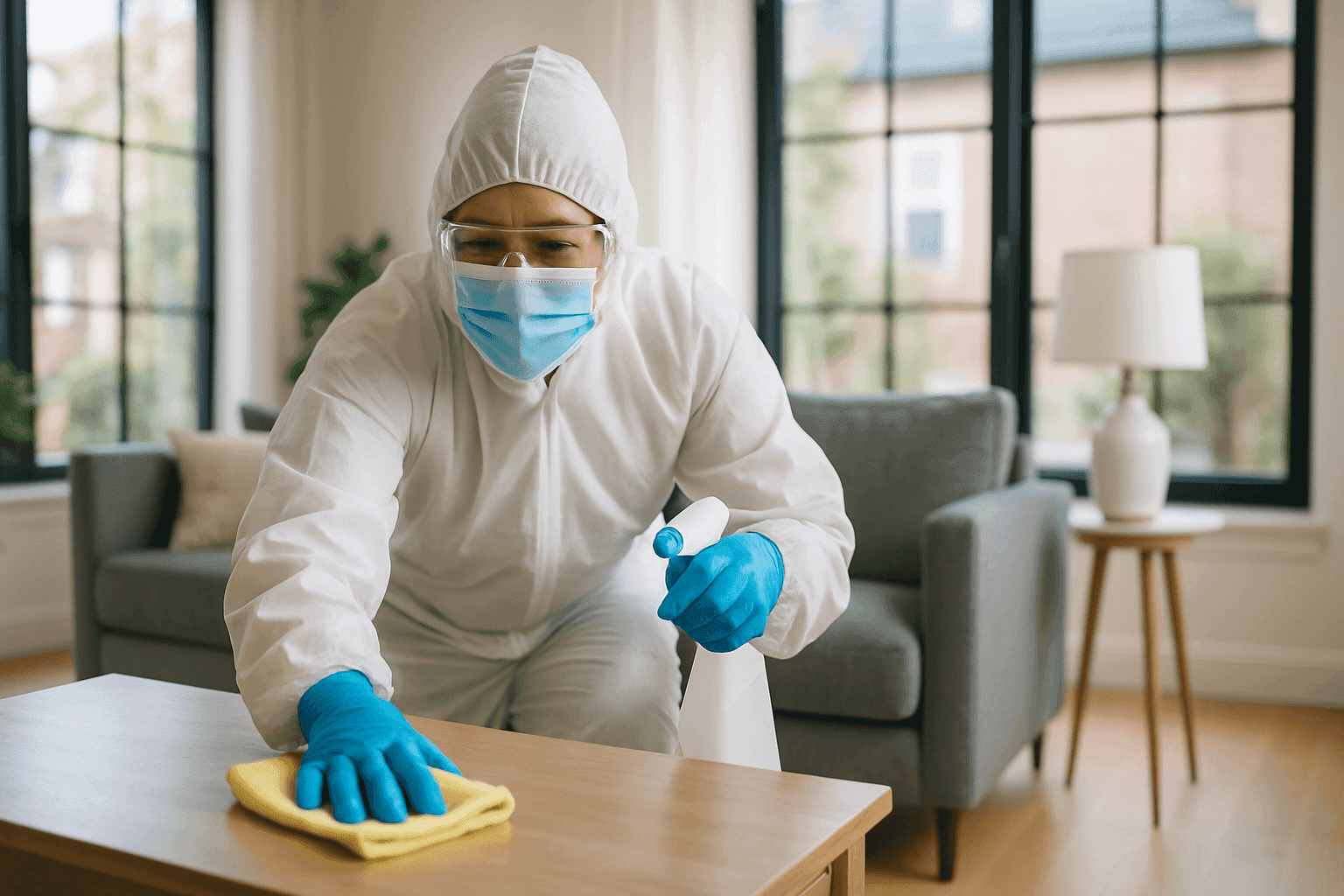
Is your home starting to feel a little stale? Maybe you’ve wiped down the counters and vacuumed, but something’s still off. Deep cleaning is more than just tidying up—it’s turning the page on dust, allergens, and odors that regular cleaning leaves behind.
At JC Maid Service, we know life’s busy and messes don’t wait. That’s why we’re sharing this ultimate guide to deep cleaning your home—room by room, step by step. You’ll find practical tips, the best order of attack, and the confidence boost you need to conquer every nook and cranny.
Deep Cleaning vs. Regular Cleaning: What’s the Real Difference?
Think of regular cleaning like brushing your teeth. Essential. Routine. Keeps things fresh on the surface. But deep cleaning? That’s your dental checkup—a thorough reset that digs out what’s hiding beneath.
- Regular cleaning covers everyday tasks: sweeping, wiping counters, quick vacuuming.
- Deep cleaning targets the forgotten: baseboards, appliances, ceiling fans, under the couch, inside the fridge, and those stubborn pet stains.
Deep cleaning doesn’t just look better. It helps keep your family healthier by tackling dust mites, mold, and germs that trigger allergies or colds.
Quick Safety Checklist Before You Start 🧤
Before you roll up your sleeves, pause for a quick safety check:
- Ventilate: Open windows for airflow, especially when using cleaning solutions.
- Read Labels: Only use cleaning products as directed. Never mix bleach and ammonia.
- Protect Yourself: Wear gloves, eye protection, and a mask for dusty jobs.
- Keep Pets & Kids Away: Secure pets and children away from cleaning zones.
- Step Ladder Safety: Make sure it’s stable before reaching up high (like for ceiling fans).
Refer to the CDC’s cleaning and disinfecting guidelines for household safety.
Kitchen Deep Cleaning Checklist
The kitchen is command central for mess. Grease, crumbs, and odors love to hide here.
Step-by-Step:
- Appliances: Unplug, wipe down exteriors and deep clean interiors (don’t forget oven cleaning and refrigerator cleaning).
- Cabinets: Empty, vacuum crumbs, wipe shelves, and disinfect handles.
- Sink & Faucet: Scrub mineral deposits and sanitize the drain.
- Countertops & Backsplash: Clean and degrease, moving small appliances aside.
- Floors: Mop thoroughly, paying attention to corners and under appliances.
- Walls & Baseboards: Wipe down splatters and dust baseboards.
- Trash & Recycling Bins: Wash with soap and water; disinfect.
Overlooked Spot: The top of fridge and inside cabinet doors.
Frequency Tip: Aim for a deep clean every 3–6 months, or more often if you cook daily.
Bathroom Deep Cleaning Checklist 🛁
Bathrooms are a magnet for grime, soap scum, and bacteria.
Step-by-Step:
- Showers & Tubs: Use a mildew remover, scrub tile/grout, and rinse thoroughly.
- Toilets: Clean inside, outside, and around the base.
- Sinks & Faucets: Remove hard water stains, polish fixtures.
- Mirrors & Windows: Wipe with streak-free cleaner.
- Cabinets & Drawers: Empty, disinfect, and reorganize.
- Floors & Baseboards: Mop and sanitize.
- Vents & Exhaust Fans: Remove dust and inspect for mold.
Overlooked Spot: Behind the toilet and under the sink.
Frequency Tip: Deep clean every 1–2 months, or sooner for high-traffic bathrooms.
Living Areas & Bedrooms Deep Cleaning Checklist
Your living spaces collect dust, pet hair, and allergens almost invisibly.
Step-by-Step:
- Dusting: Start high (ceiling fans, blinds, shelves), then work down.
- Upholstery & Carpets: Vacuum thoroughly, spot clean stains, consider professional carpet cleaning or upholstery cleaning.
- Windows & Blinds: Clean glass, frames, and dust slats.
- Baseboards & Walls: Wipe away scuffs and grime.
- Organization: Declutter shelves, closets, and drawers.
- Floors: Mop or vacuum, moving furniture when possible.
Overlooked Spot: Under beds and sofas, inside couch cushions.
Frequency Tip: Deep clean every season, or more often for allergy sufferers.
Specialty Spaces & Commonly Overlooked Areas ⚡
Some corners are easy to skip—but make a massive difference when cleaned.
- Ceiling Fans: Dust blades with a damp cloth.
- Light Fixtures: Remove and wash covers.
- Laundry Room: Clean behind machines, inside washer/dryer.
- Pet Areas: Deep clean bedding, toys, and tackle pet stain and odor removal near you.
- Entryways: Wipe doors, sanitize doorknobs, shake out mats.
- Event or Holiday Cleanup: After gatherings, focus on floors, upholstery, and trash removal.
Frequency Tip: Twice a year—spring and fall are perfect.
How Often Should You Deep Clean?
There’s no one-size-fits-all answer. Use these as a guide:
- Kitchens & Bathrooms: Every 1–3 months.
- Bedrooms & Living Areas: Every 3–4 months.
- Specialty Areas: Twice a year or after big events.
- Commercial or Office Cleaning: Varies by foot traffic—ask for customized cleaning plans.
A regular cleaning schedule helps keep deep cleans from feeling overwhelming.
Tackling Grime & Odors: Trusted Tips
Some messes fight back. Here’s how to win:
- Pet Stains: Blot, don’t rub. Use an enzyme cleaner for Pet Stain and Odor Removal near you.
- Soap Scum: Try white vinegar or a baking soda paste. Let it sit before scrubbing.
- Grease: Degreaser or hot soapy water works wonders—just test on a hidden spot.
- Carpet Odors: Sprinkle baking soda, wait, then vacuum. For tough cases, consider professional carpet cleaning.
Always spot-test cleaners and follow product instructions. For persistent issues, pros have equipment and solutions you can’t buy at the store.
DIY or Call in a Professional?
Sometimes, DIY is enough. Other times, it makes sense to bring in a crew—especially for:
- Move-In/Move-Out Cleaning: When time is tight and standards are high.
- Post-Construction Cleaning: Fine dust can linger for months without professional help.
- Emergency Cleaning Services: Water damage, pet messes, or illness require fast, thorough action.
- Upholstery & Carpet Cleaning: Deep stains, odors, or delicate fabrics.
- Recurring Cleaning or Customized Cleaning Plans: Keeps your home consistently healthy.
A professional maid_services team like JC Maid Service saves you hours—and gets deeper results.
What Pros Do When They Arrive
Ever wonder what happens when you book a deep clean?
- Assessment: Walk-through to identify trouble spots and priorities.
- Safety Prep: Protects your belongings and uses safe, effective products.
- Systematic Cleaning: Follows a checklist—from ceiling fans down to baseboards.
- Specialized Tools: HEPA vacuums, steam cleaners, and eco-friendly solutions.
- Quality Check: Final inspection to ensure nothing’s missed.
You’ll notice the difference—air feels fresher, surfaces shine, and odors vanish.
Prevention & Maintenance: Keeping Clean Between Deep Cleans 🧹
A few simple habits keep your space cleaner, longer:
- Wipe up spills right away to avoid stains.
- Use doormats and encourage shoes-off indoors.
- Run exhaust fans in kitchens and bathrooms to reduce moisture and odors.
- Schedule regular cleaning—weekly or biweekly—for high-traffic zones.
- Organize and declutter often; less stuff means less to clean.
Safe, non-toxic products are better for your family and pets. For green cleaning, look for EPA Safer Choice or Green Seal labels.
Seasonal Cleaning: Spring & Fall Essentials
Season changes are the perfect time for a reset.
Spring Cleaning
- Wash windows inside and out.
- Clean blinds, curtains, and air vents.
- Deep clean carpets and upholstery.
- Organize closets, donate unused items.
- Check for mold or leaks in damp areas.
Fall Cleaning 🍂
- Dust ceiling fans before using for heat.
- Clean and test smoke/carbon monoxide detectors.
- Wipe down walls after summer humidity.
- Sanitize kitchen in prep for holiday cooking.
- Swap out seasonal bedding and deep clean mattresses.
Costs & Time Factors
Deep cleaning is a bigger project than regular upkeep.
- DIY: Plan for a full day, or break it up over a weekend.
- Professional maid_services: Time depends on home size and level of cleaning needed—often 2–6 hours for a whole house.
Costs vary by service, home size, and specific needs. Remember, investing in deep cleaning pays off with longer-lasting furniture, better air, and fewer allergens.
When It’s an Emergency
Flooded basement? Major spill? Sudden illness in the household?
- Act quickly—contain the mess and ventilate the area.
- Wear gloves and protective gear.
- For water or biohazard cleanup, call for emergency cleaning services. Some messes aren’t safe to tackle alone.
The CDC and local health departments offer guidelines for safe cleanup after emergencies.
FAQs
How often should I schedule deep cleaning with maid_services?
Most homes benefit from a professional deep clean every 3–6 months, or more frequently for allergies, pets, or high-traffic areas.
What should I do to prepare before pros arrive?
Pick up personal items, secure valuables, and let your cleaners know about special concerns (like allergies or delicate surfaces).
Are green cleaning products really effective?
Yes—when certified by EPA Safer Choice or Green Seal, they’re tough on grime but gentle on your family and the environment.
Can deep cleaning help with pet odors?
Absolutely! Pet Stain and Odor Removal near you, combined with regular deep cleaning, keeps your home smelling fresh.
Health & Well-Being: Why Deep Cleaning Matters
Deep cleaning isn’t just about looks. It’s about health. Removing dust, mold, and pet hair helps prevent allergies and illness. Clean surfaces also reduce the spread of germs—especially important for families, kids, and anyone with asthma.
A clean home feels lighter, brighter, and more welcoming. You’ll breathe easier and rest better knowing every corner is fresh.
Ready to enjoy a truly clean home—without spending your weekend on your hands and knees? Call JC Maid Service now — or reach us anytime at 855-514-9685 .